
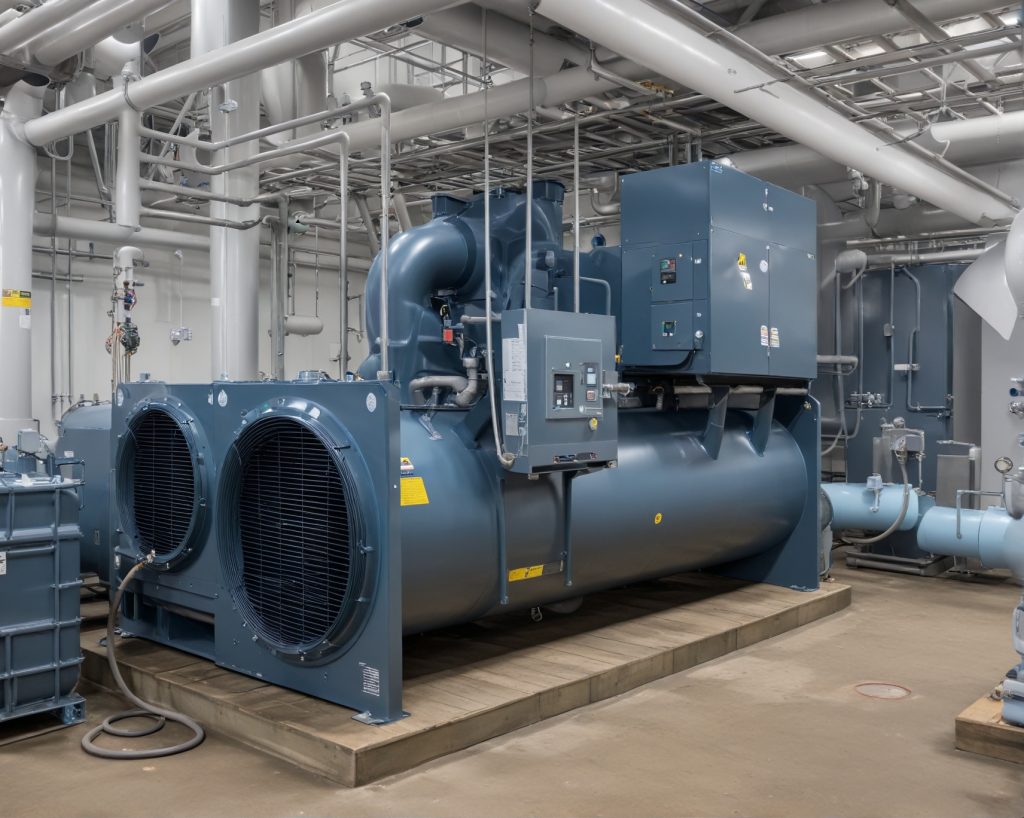
Facing frequent breakdowns? Protector Air Care offers industrial cooling plant upgrades in Melbourne to secure consistent output and equipment longevity.
Industrial facilities rely on consistent thermal regulation to protect machinery and maintain production cycles. Ageing infrastructure often struggles with modern demand, leading to high energy costs and unpredictable mechanical failures. Implementing professional industrial cooling plant upgrades in Melbourne ensures your facility stays compliant while lowering operational overheads.
Maximising Reliability with Strategic Industrial Cooling Plant Upgrades
Peak performance requires a proactive approach to equipment lifecycles and heat exchange efficiency. Outdated components often cause bottlenecks that restrict output and increase the risk of system failure. A targeted strategy for industrial cooling plant upgrades allows businesses to integrate high-efficiency motors into their existing infrastructure.
Upgrading core components improves heat rejection and reduces strain on circulation pumps. Modern control interfaces provide real-time data, allowing managers to identify issues before they escalate. These enhancements create a stable environment that supports high-volume production without the threat of thermal shutdowns.
Essential Improvements for Industrial Efficiency
Operational stability depends on the health of your cooling infrastructure and its ability to handle peak loads. Evaluating specific areas helps determine where modernisation will yield the highest return.
Key areas for system enhancement include:
- Operational Reliability: Replacing worn heat exchangers prevents unexpected breakdowns during critical production hours.
- Lower Energy Costs: New technologies consume less power while maintaining superior cooling capacities for heavy-duty use.
- Full Regulatory Compliance: Modern upgrades ensure systems meet Australian refrigerant regulations and reduce carbon footprints.
- Simplified Maintenance: Standardising components simplifies sourcing spare parts and extends the intervals between service visits.
- Scalable Cooling Capacity: Optimised airflow and fluid dynamics allow the plant to handle increased thermal loads as production expands.
Strategic Component Integration for Manufacturing Uptime
Successful plant management involves the seamless integration of high-performance hardware and automated monitoring. High-precision sensors allow for granular control over temperature fluctuations to maintain product quality.
Our team verifies that every installation aligns with AS/NZS 3666.1:2011 to guarantee safety and technical compliance. Protector Air Care applies these rigorous Australian standards to protect your staff and ensure the long-term legality of your cooling operations.
Dedicated industrial cooling plant upgrades focus on removing legacy constraints that hinder the overall effectiveness of the thermal circuit. Our team builds resilient systems that withstand the demanding conditions of Melbourne’s industrial sectors.
Secure Your Production with Expert Melbourne Cooling Solutions
Reliable thermal control remains the foundation of any successful industrial operation requiring precise climate management. Investing in modern infrastructure removes the guesswork from your production schedule and protects your machinery from heat-induced wear.
Protector Air Care streamlines the transition to high-efficiency hardware with tailored industrial cooling plant upgrades designed for the Melbourne climate. We eliminate the inefficiencies of legacy equipment to help you achieve consistent output and lower monthly utility bills.
Contact us today to schedule your system audit and secure a high-performance upgrade for your facility.
Related Blog Articles:
Mechanical Plant Upgrade: Ensuring Peak Performance in Modern Industrial Plants
Mechanical Plant Upgrades: Resolve Common Challenges with Protector Air Care
Strategic HVAC Upgrades That Help Commercial Facilities Meet 2026 Energy-Efficiency and Emissions Targets