
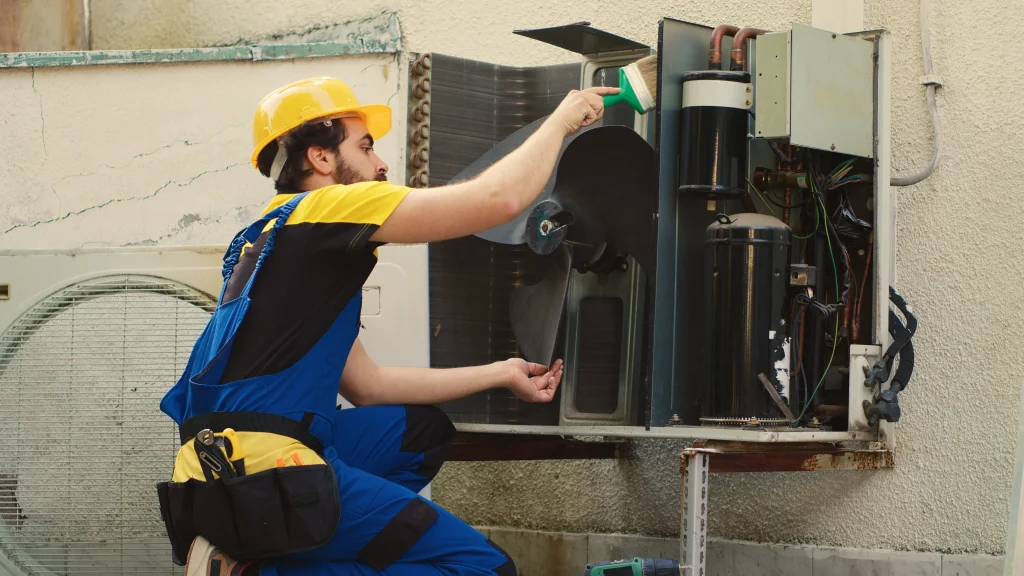
Protector Air Care provides HVAC maintenance for Melbourne commercial buildings with an expert end-of-year checklist to ensure efficiency and compliance.
Year-end is the ideal time for building managers to evaluate mechanical system performance and plan for the next operational cycle. Regular HVAC maintenance safeguards air quality, reduces breakdowns, and maintains energy efficiency across complex commercial systems. A structured checklist ensures every component functions at peak performance before the new year.
Reviewing System Efficiency and Compliance
Comprehensive HVAC maintenance at year-end requires a detailed evaluation of system efficiency across all major components — air-handling units, chillers, ducts, and ventilation systems. Assessing temperature differentials, airflow balance, and equipment load distribution verifies that the system continues to perform within designed operational parameters. Fine-tuning control settings and balancing dampers also ensures consistent air delivery to each zone while maintaining compliance with Melbourne’s commercial building performance standards.
Implementing energy audits and data logging throughout this process is essential for identifying inefficiencies such as compressor over-cycling, short-circuiting of airflows, or poor return-air ratios. Reviewing these operational metrics enables informed adjustments to reduce wasted energy, stabilise internal climate control, and improve cost performance during seasonal transitions. Proper documentation of these findings provides valuable insight for planning next year’s maintenance schedule.
Technical Inspections and Legislative Standards
All inspection activities within HVAC maintenance must follow strict technical and legislative guidelines to uphold both system safety and regulatory compliance. Technicians should validate sensor accuracy, verify pressure readings, and ensure refrigerant containment aligns with the requirements of Australian Standard AS/NZS 3666.1:2011 for air-handling and water systems. This structured approach maintains mechanical reliability and supports a healthier indoor environment.
For in-depth compliance guidance, refer to the Guide to Best Practice Maintenance & Operation of HVAC Systems for Energy Efficiency published by the Department of Climate Change and Energy Efficiency. This reference outlines the recommended maintenance protocols for commercial systems to achieve optimal performance and energy savings. Maintaining alignment with these standards also ensures that indoor air quality and ventilation performance meet occupational health regulations across Melbourne’s diverse commercial spaces.
Essential Items for Year-End Servicing
Before closing the annual maintenance schedule, ensure these critical servicing items are completed and documented for continued reliability:
• Air filters and coils: Clean and replace air filters, evaporator coils, and condensate pans to improve airflow efficiency and prevent microbial build-up that can affect indoor air quality.
• Refrigerant charge: Inspect for refrigerant leaks, confirm pressure readings, and top up refrigerant levels according to manufacturer specifications to maintain optimal cooling performance and compressor protection.
• Fan motors and belts: Examine drive alignment, belt tension, and vibration readings to reduce wear, extend equipment lifespan, and sustain energy-efficient airflow delivery.
• Thermostats and sensors: Test, calibrate, and synchronise temperature and humidity sensors to ensure precise zone control and stable comfort levels throughout the building.
• Documentation and reporting: Record all maintenance actions, performance readings, and identified faults to support predictive maintenance planning and compliance audits in the coming year.
Maintaining Building Comfort and Reliability
Protector Air Care ensures Melbourne’s commercial buildings remain efficient, compliant, and comfortable through expertly managed HVAC maintenance. Our regular end-of-year servicing enhances system reliability, extends equipment lifespan, and preserves indoor air quality. Investing in a structured maintenance plan today prepares your facility for seamless operation and reduced energy costs in the year ahead.
Contact us to schedule your comprehensive end-of-year service and prepare your building for a seamless start to the new year.
Related Blog Article: Commercial Air Conditioning Maintenance Melbourne – Compliance, Comfort & Efficiency for Hospitality Venues