
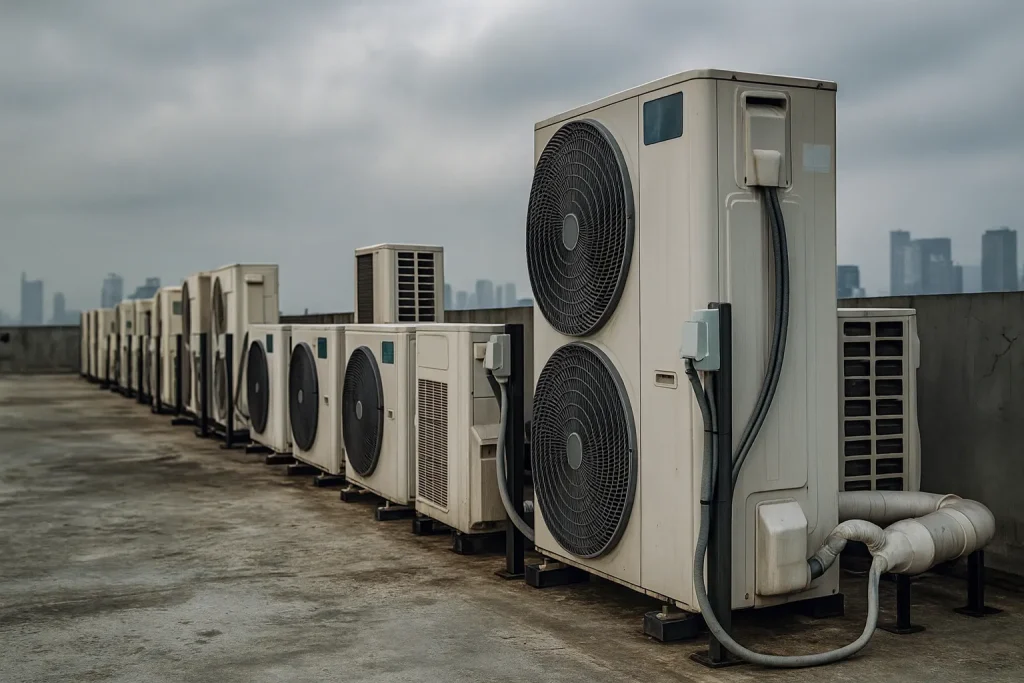
Improve commercial system planning with HVAC asset lifecycle management by Protector Air Care in Melbourne for efficiency, compliance, and long-term value.
Commercial facilities across Melbourne rely on HVAC systems to maintain comfort, safety, and operational consistency. Inadequate planning across system life stages often leads to reactive maintenance, increased operating costs, and service interruptions. HVAC asset lifecycle management supports a structured approach that improves reliability while maintaining financial control.
Planning HVAC Assets Across Their Operational Life
Lifecycle planning evaluates HVAC systems from installation through to replacement using condition and performance indicators. HVAC asset lifecycle management supports proactive servicing schedules that align maintenance activity with actual system needs. Facilities experience fewer unexpected failures and improved long-term budgeting accuracy.
This planning method tracks system age, efficiency trends, and service history across commercial sites. Maintenance actions become more consistent and less disruptive to building occupants. HVAC performance remains aligned with changes in occupancy and operational demand.
Operational Benefits of HVAC Asset Lifecycle Management
Lifecycle-based planning improves oversight of HVAC assets across commercial environments. A structured framework reduces uncertainty around service timing, system condition, and performance expectations.
The following areas show how lifecycle planning supports stable building operations:
- Maintenance Forecasting: Condition-based scheduling reduces emergency repairs by identifying service needs early and smoothing maintenance expenditure over time.
- Energy Performance Monitoring: Ongoing efficiency review highlights declining performance trends that contribute to rising energy costs if left unaddressed.
- Asset Service-Life Control: Planned servicing balances system longevity with operational risk, preventing both premature replacement and extended use of failing assets.
- Compliance Record Management: Documented inspections and maintenance histories support alignment with Australian safety, mechanical, and building standards.
- Operational Stability: Planned interventions reduce disruption in offices, retail facilities, healthcare environments, and other occupied commercial spaces.
Aligning Lifecycle Planning with Commercial HVAC Services
Effective lifecycle planning relies on accurate system assessments and consistent servicing practices. HVAC asset lifecycle management integrates inspections, reporting, and staged improvements into a practical maintenance framework. This structure limits fragmented servicing that often increases long-term operational risk.
Commercial HVAC specialists apply system-specific knowledge across air-conditioning units, ventilation systems, and mechanical plant. Maintenance actions reflect real operating conditions rather than fixed assumptions. Facilities benefit from dependable performance without unnecessary technical complexity.
Review the WorkSafe Victoria guidance on ventilation maintenance to understand how structured inspections support workplace safety and system reliability.
Supporting Long-Term HVAC Performance in Commercial Buildings
Lifecycle planning supports informed HVAC decisions by improving consistency and accountability across commercial facilities. A structured approach strengthens system reliability while supporting predictable maintenance investment.
Protector Air Care applies HVAC asset lifecycle management as an ongoing strategy shaped by real building conditions and compliance expectations. Our team supports Melbourne facilities through system assessments, planned servicing, and performance-focused maintenance aligned with operational requirements.
Contact us to strengthen HVAC planning and support stable commercial building performance.
Related Blog Articles:
Strategic HVAC Upgrades That Help Commercial Facilities Meet 2026 Energy-Efficiency and Emissions Targets
Commercial Air Conditioning: Energy-Efficient Upgrades in 2026 for Smarter Cooling Solutions